Enhancing Credit Access for Small and Medium Businesses
- Company
- Creditper
- Industry
- e-Commerce
- Role
- UX Designer and Researcher
- Year
- 2023
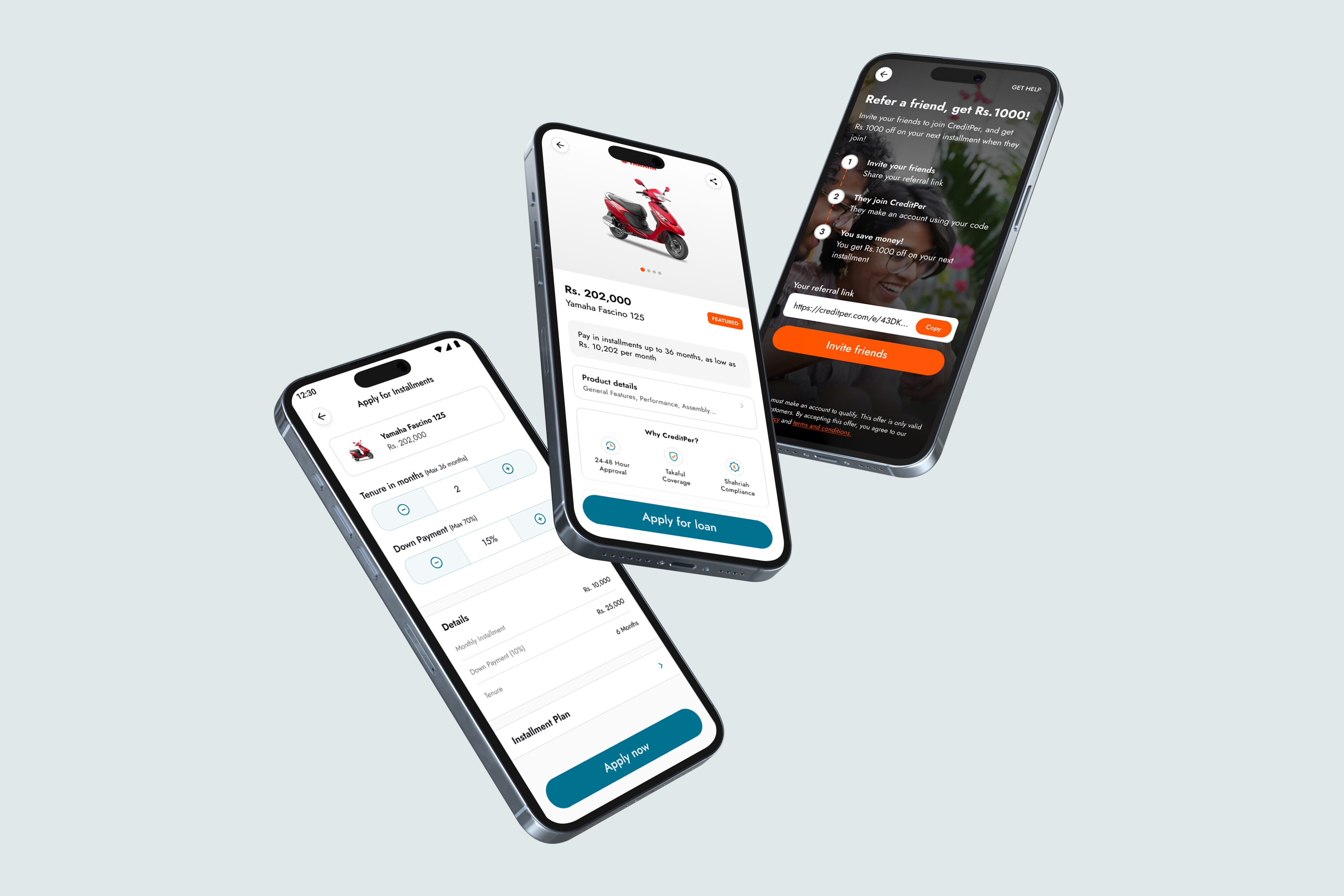
In a nutshell
In Pakistan, access to formal credit remains limited for small business owners, especially those with low financial literacy and limited trust in digital products. Creditper, a digital asset-based loan provider, partnered with IDEATE Innovation to improve adoption of its mobile platform among underserved SMEs, with a particular focus on increasing participation from women-led businesses.
This signaled broader usability, trust, and comprehension issues across the product. The goal was to identify barriers to adoption and define a design direction that made Creditper's offering clearer, more trustworthy, and easier to use for small business owners overall.
Context and challenge
Creditper enables low-income SMEs to purchase assets on credit through a mobile-first experience. While the service addressed a real need, adoption among many small business owners remained low due to:
- Limited understanding of credit and repayment structures
- Anxiety around documentation and installment commitments
- Low trust in digital financial platforms
- Time constraints faced by small business owners managing day-to-day operations
The challenge was not just improving usability, but reducing perceived risk and making the value of credit feel accessible and manageable.
My role
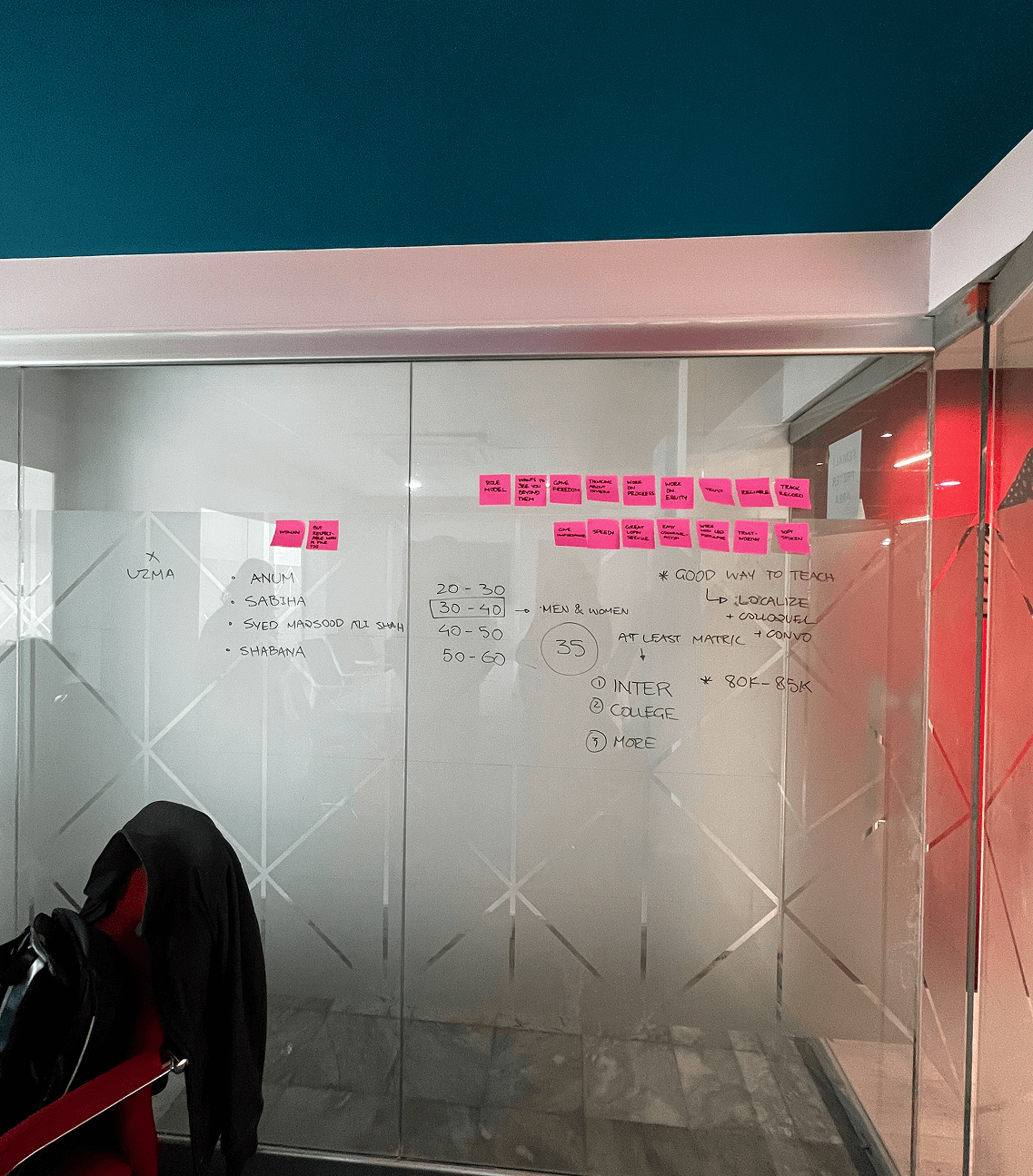
I worked across research and design, collaborating with another designer and two researchers.
Responsibilities included:
- Supporting research synthesis and fieldwork
- Conducting qualitative interviews with SME owners
- Creating and testing mid-fidelity prototypes
- Translating insights into design direction and screen-level changes
Research
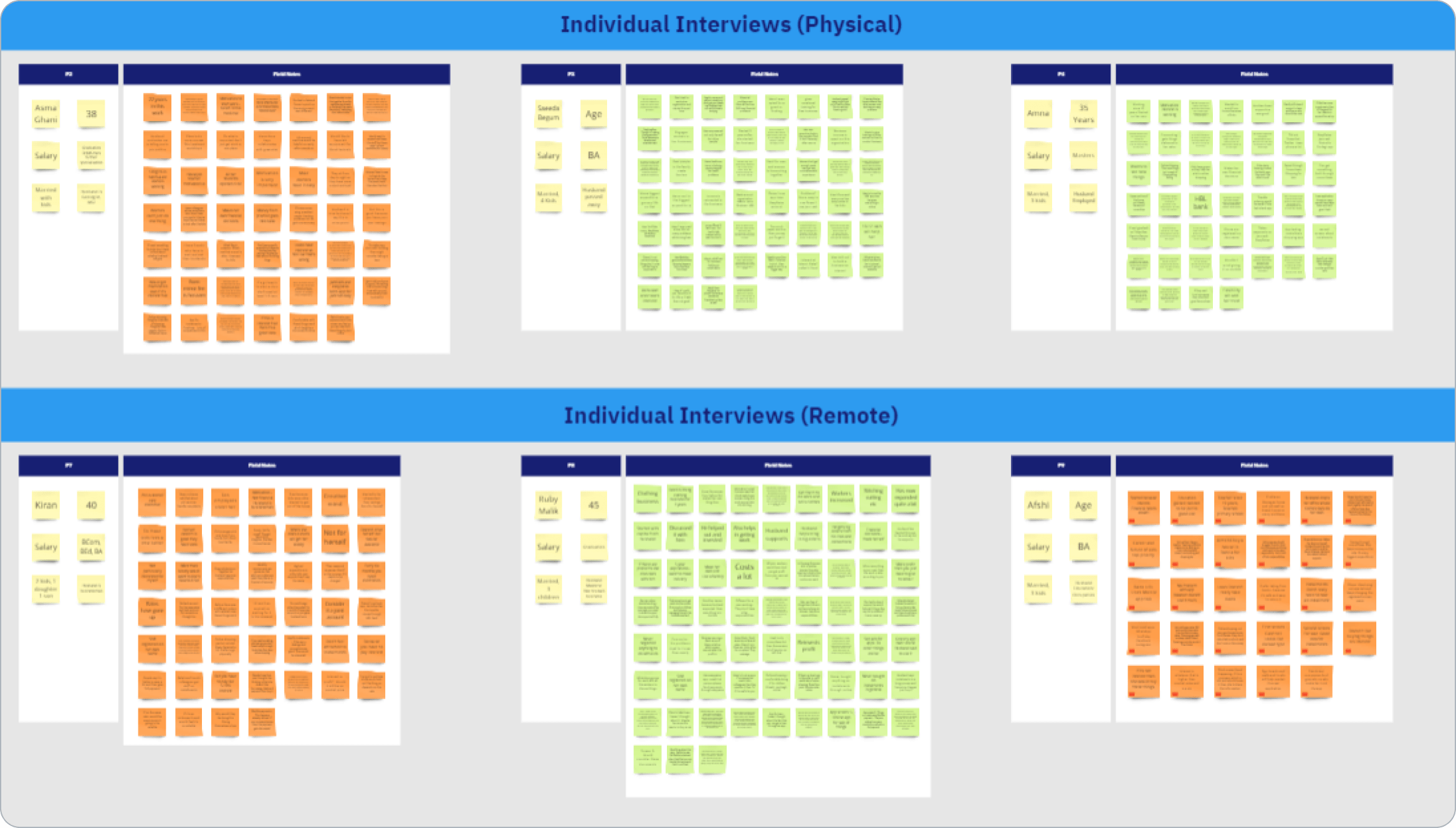
We conducted qualitative interviews with 69 active, inactive, and prospective users across multiple regions, including Karachi and Lahore, to understand their financial behaviors, pain points, and how they use the platform. Participants included small business owners with varying levels of tech confidence, financial literacy, and prior credit experience. I also created mid-fidelity prototypes, which we tested during these sessions to provide actionable feedback for our design iterations.
From interviews and usability testing, several consistent patterns emerged:
-
Low financial literacy
Many users struggled with basic credit terminology and calculations.
-
Time scarcity
Business owners preferred quick, guided interactions over long explanations.
-
Trust gaps
Users were hesitant to commit without reassurance around pricing, repayment, and legitimacy.
-
Repayment anxiety
Fixed installment plans created fear, especially for businesses with fluctuating income.
While these issues were more pronounced among women-led SMEs, they applied broadly across the user base.
Design decisions
Onboarding & first-time experience
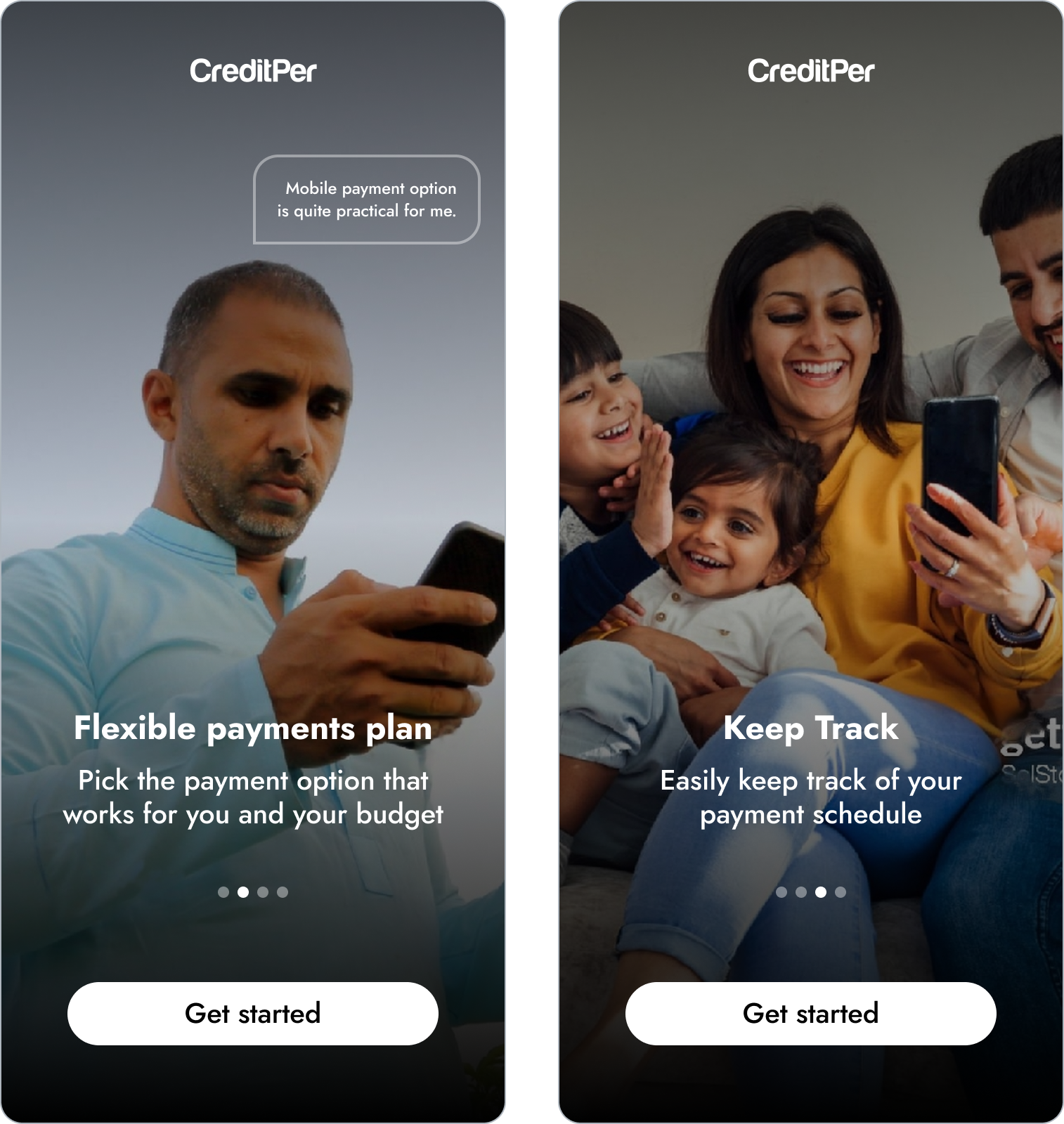
To reduce early drop-off, onboarding was redesigned to be simpler, more guided, and less intimidating. Steps were broken down clearly, with plain-language explanations and visual cues. The focus was on helping users understand what Creditper offers and what committing to credit actually means before moving forward.
Credit transparency & repayment clarity
One of the biggest barriers to adoption was fear around repayment. We redesigned credit flows to clearly surface total payable amounts, installment breakdowns, and payment timelines. By making costs and obligations explicit upfront, we reduced uncertainty and helped users feel more in control of their financial decisions.
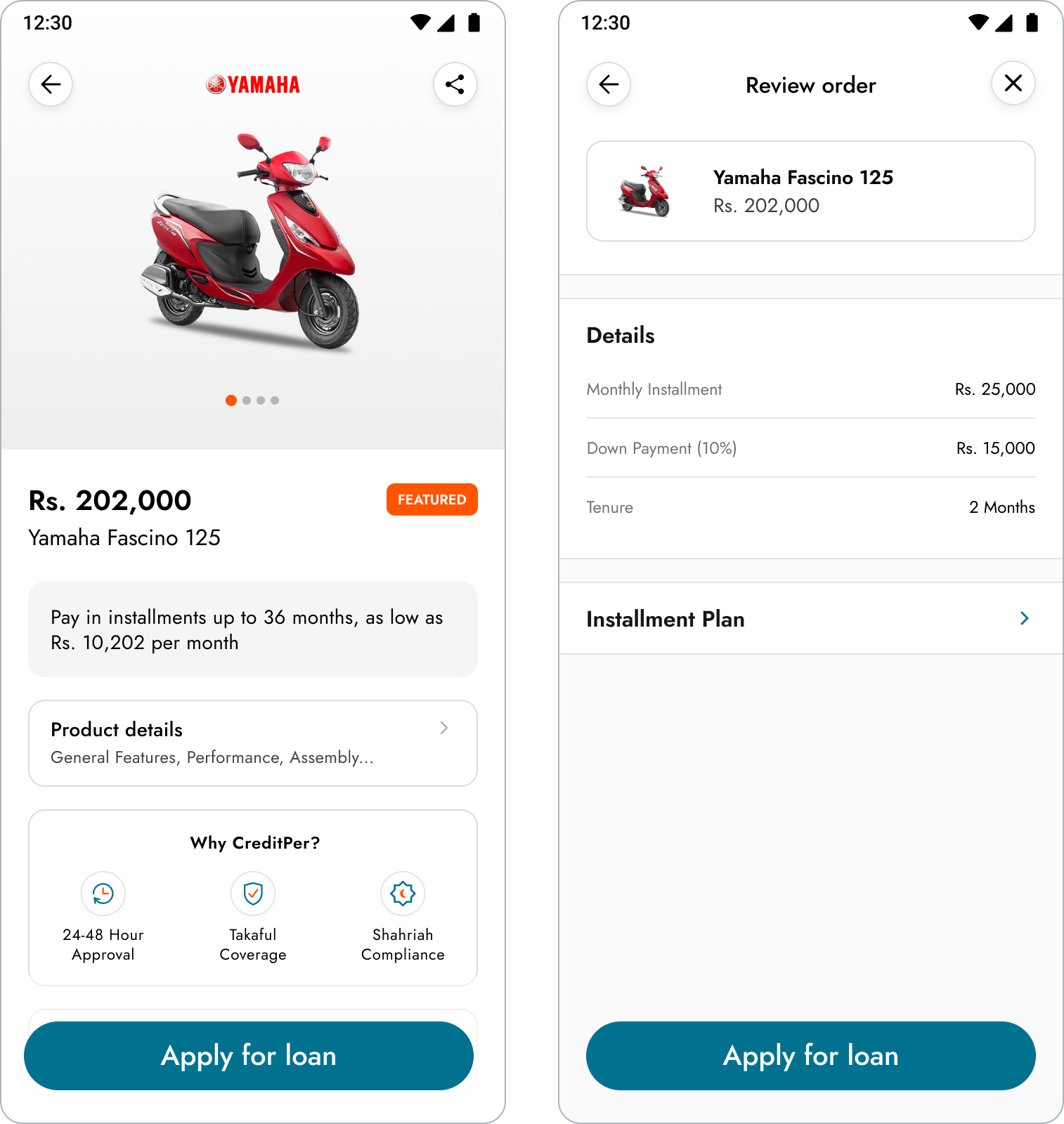
Flexible payment options
Research showed that rigid repayment schedules discouraged many SMEs with variable cash flow. We emphasized flexible repayment plans as a core value proposition, positioning them as a safety net rather than a risk. This was particularly impactful for small business owners managing seasonal or unpredictable income.
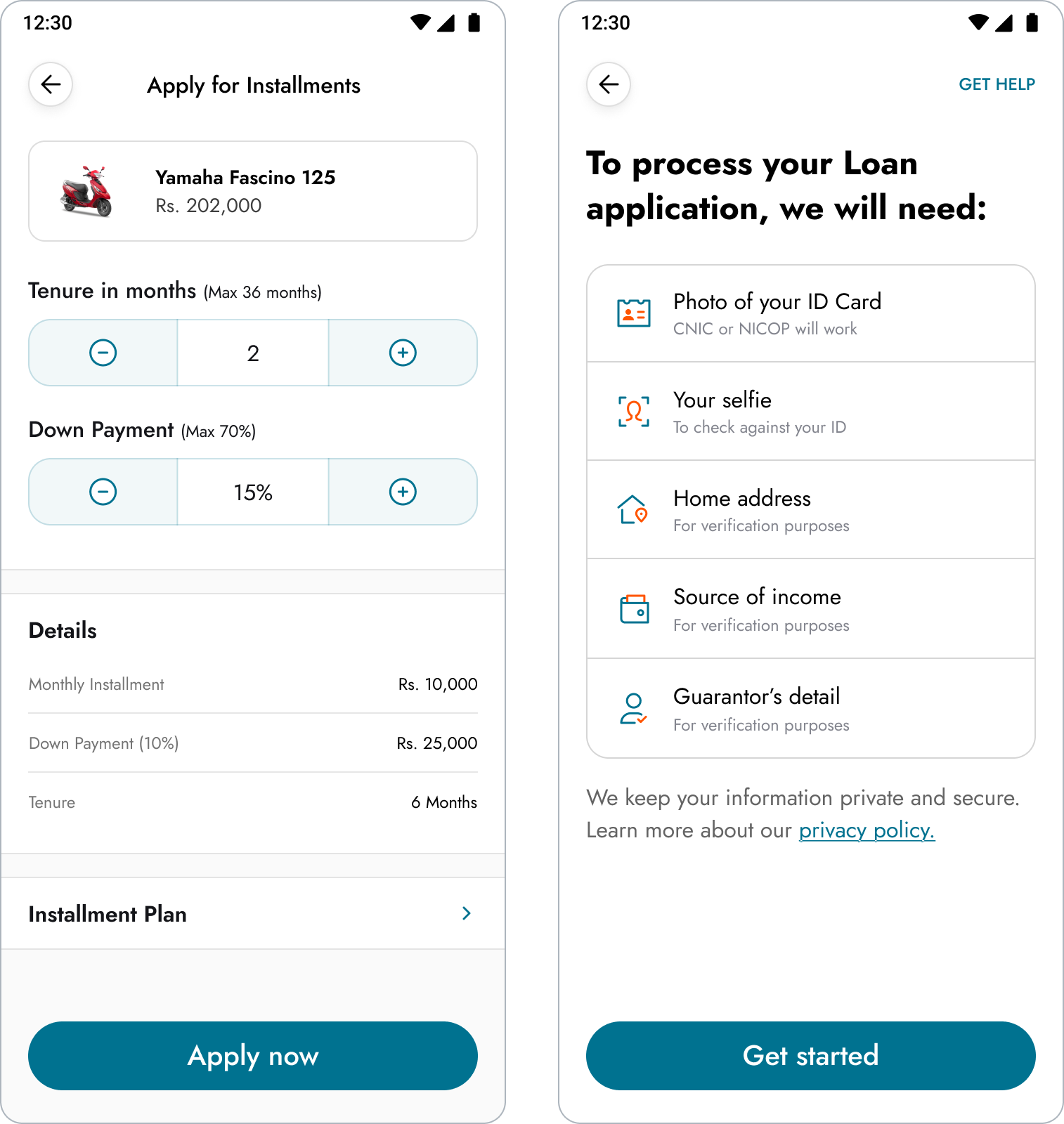
Trust-building mechanisms
To address trust concerns, we integrated user testimonials and real-world use cases, alongside clear communication of Creditper's licensed and regulated status. These elements helped reduce hesitation and build confidence in the platform.
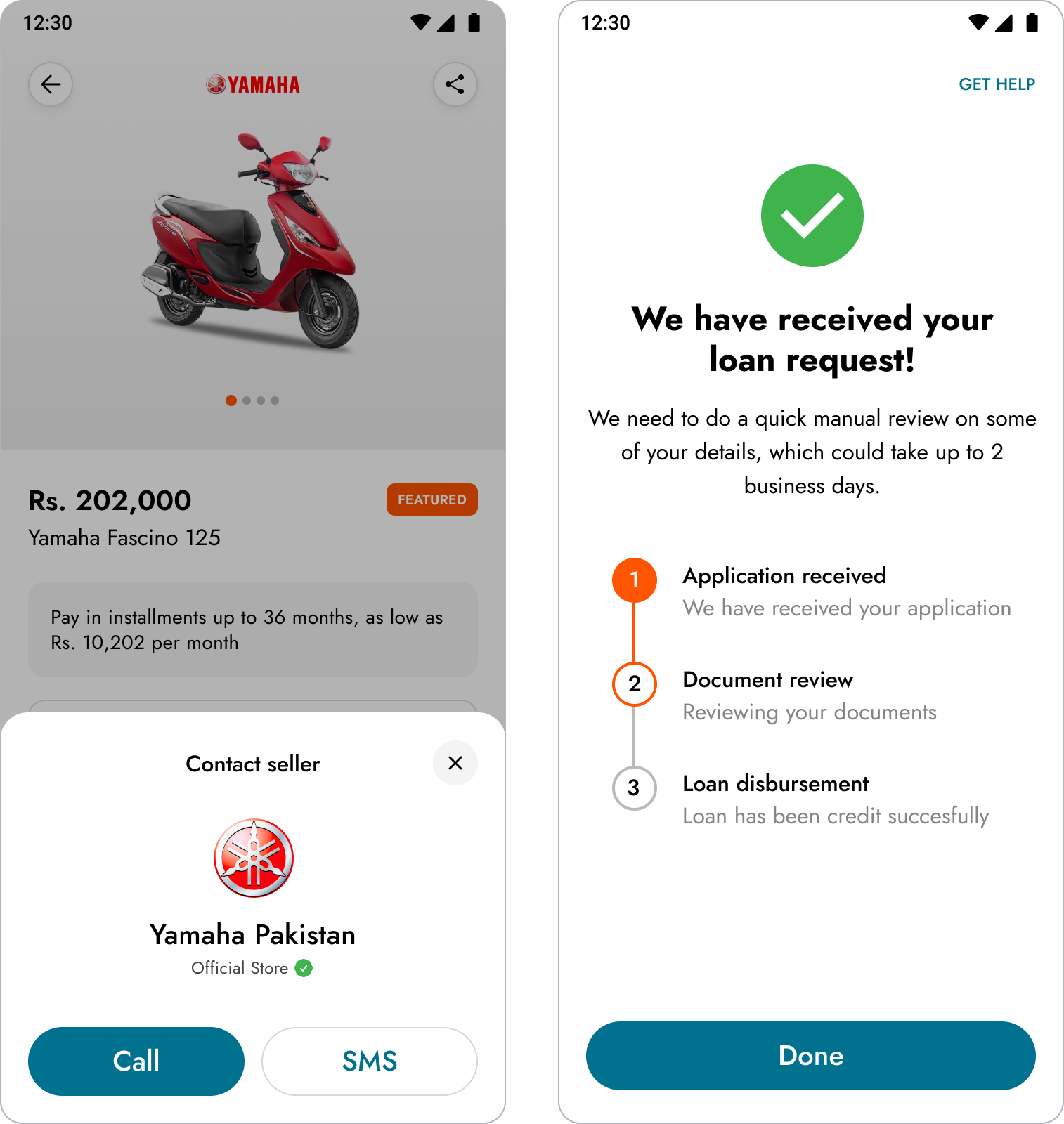
Growth mechanisms
We introduced a referral-based growth model, recognizing that many SMEs — especially women-led ones — rely heavily on recommendations from trusted peers. This positioned word-of-mouth as a first-class acquisition channel within the product experience.
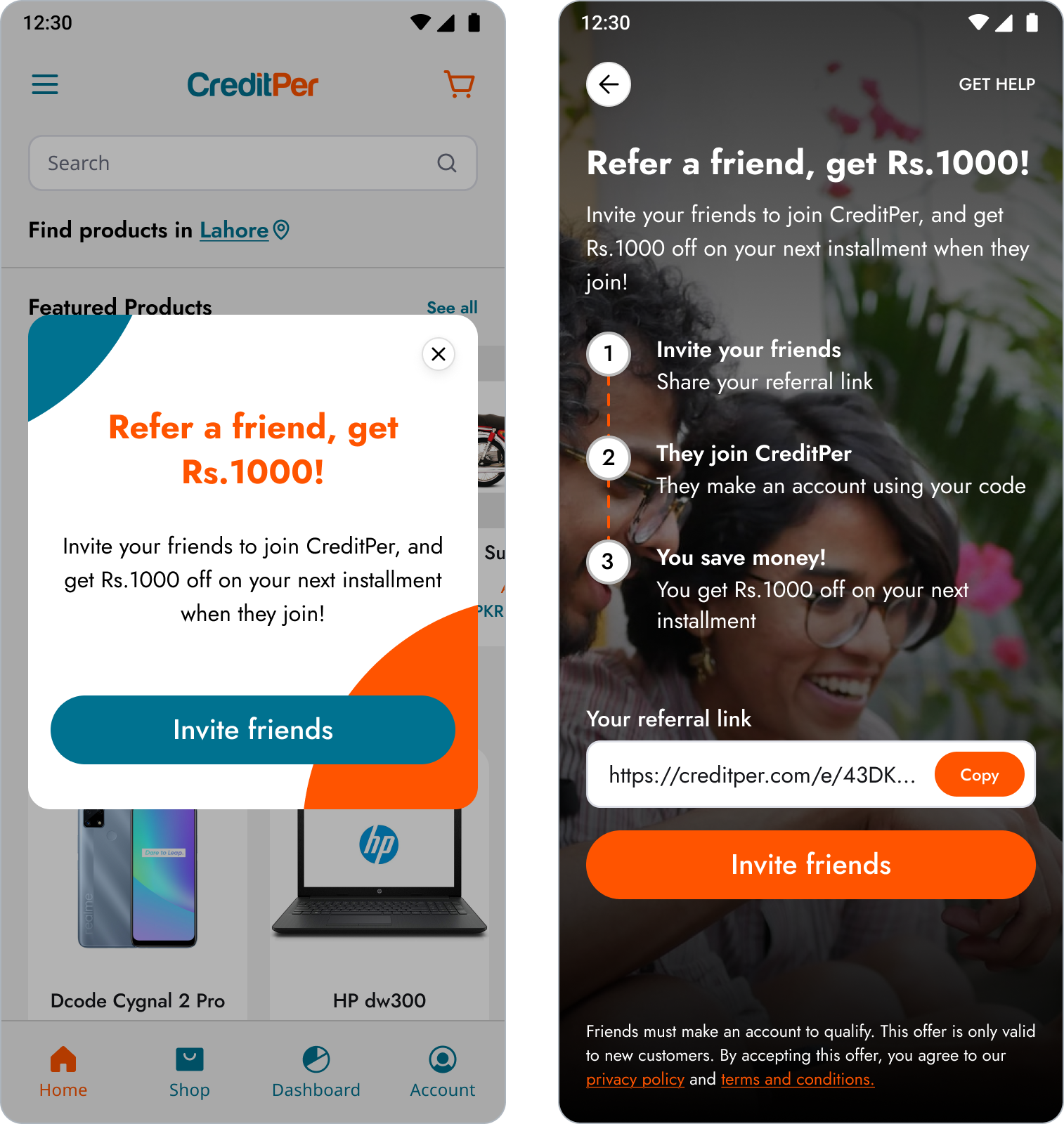
Outcome and impact
The resulting design direction repositioned Creditper as a supportive, transparent credit partner for small businesses rather than a complex financial tool. By simplifying language, improving clarity around credit, and reducing perceived risk, the platform became more accessible to a broader SME audience.
The redesign addressed key barriers affecting both male and female small business owners, with particular gains in inclusivity and trust.
Long-term adoption metrics were tracked by the client post-handoff.
Reflection
This project strengthened my ability to design for financial inclusion at scale, balancing business goals with the realities of low literacy, limited trust, and time-constrained users. It reinforced that in fintech, clarity and reassurance are often more impactful than feature expansion.
Team